Deckers' $88M Windfall Shows Tariff Refunds Reshaping Corporate Earnings
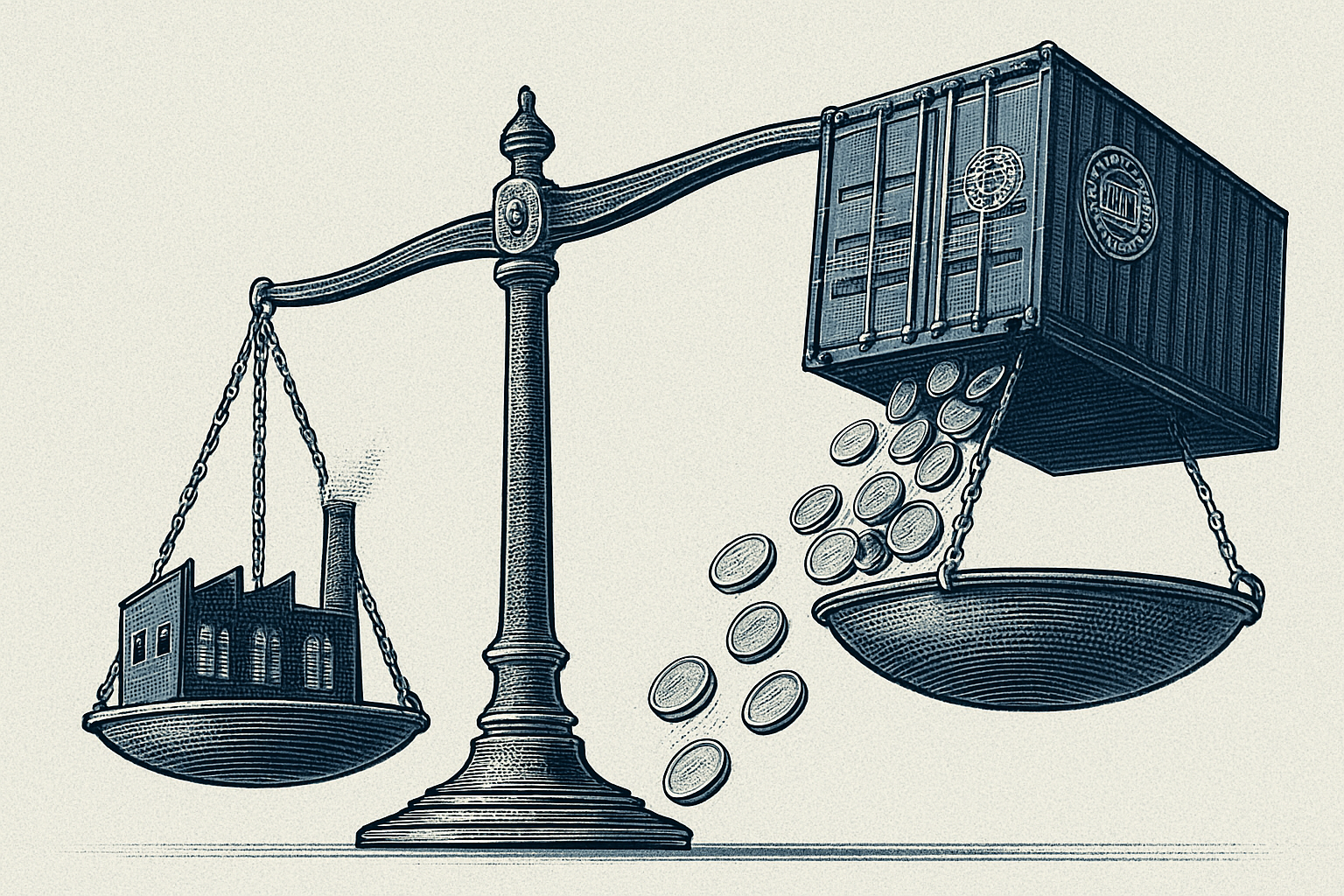
Tariff refunds are beginning to show up in a big way on corporate balance sheets. Deckers Outdoor reported Q2 2027 earnings that beat expectations largely thanks to an $88 million tariff refund tied to the Supreme Court's Learning Resources ruling, according to BigGo Finance and 24/7 Wall St. The boost allowed Deckers to post strong earnings per share even as the company cut its full-year revenue outlook to $5.7 billion and HOKA growth fell sharply. Analysts are flagging the dynamic as a warning sign: the refund masked underlying weakness in the business, making it harder for investors to assess the company's true operating trajectory.
Deckers is unlikely to be alone. As companies across consumer goods, footwear, and retail continue processing refund claims, expect more earnings reports in the coming quarters to feature one-time windfalls that complicate year-over-year comparisons. The $88 million figure offers an early benchmark for the scale of refunds that mid-to-large importers may be receiving.
On the policy front, a pair of articles in The Hill raise questions about whether the Learning Resources ruling actually resolved anything at the structural level. One piece asks whether Congress can meaningfully constrain presidential tariff authority when older, less restrictive statutes — including IEEPA itself, despite the ruling's limits — still provide alternative legal routes to impose tariffs. The argument is that a determined executive branch could sidestep the new constraints by leaning on different statutory authority, leaving the loophole Congress never formally closed intact.
A separate piece in The Hill draws a sharper line, accusing Congress of prioritizing Big Tech corporate interests over the welfare of children and the general public. While the article focuses on the broader relationship between lawmakers and the technology industry, it feeds into a growing concern that legislative attention is misallocated at a moment when trade policy, refund administration, and consumer protection all demand serious oversight. Critics argue that the same Congress slow to act on tariff reform is equally slow to protect ordinary Americans from concentrated corporate power.
Together, the two Hill pieces point to a structural problem: the courts may have handed down a ruling in Learning Resources, but without legislative follow-through, the policy landscape remains unsettled. Importers who won refunds may face renewed uncertainty if a future administration tests the boundaries of remaining statutory authority.
What to Watch — Markets will be scrutinizing upcoming earnings calls from footwear, toy, and consumer goods companies for signs of tariff refund disclosures similar to Deckers. Any company that was a heavy importer from China between 2025 and the Learning Resources ruling is a candidate for a material refund line item. On the policy side, watch for any congressional hearings or markup sessions related to tariff authority reform — momentum has been slow, but the Deckers story gives reformers a concrete, headline-ready example of market distortion to work with. Also keep an eye on Customs and Border Protection's processing timelines, as bottlenecks in refund disbursements could affect when other companies are able to book similar windfalls.
— The Tariff.news desk