Russia Diesel Deal Splits GOP While Oil Markets and Trade Tensions Simmer
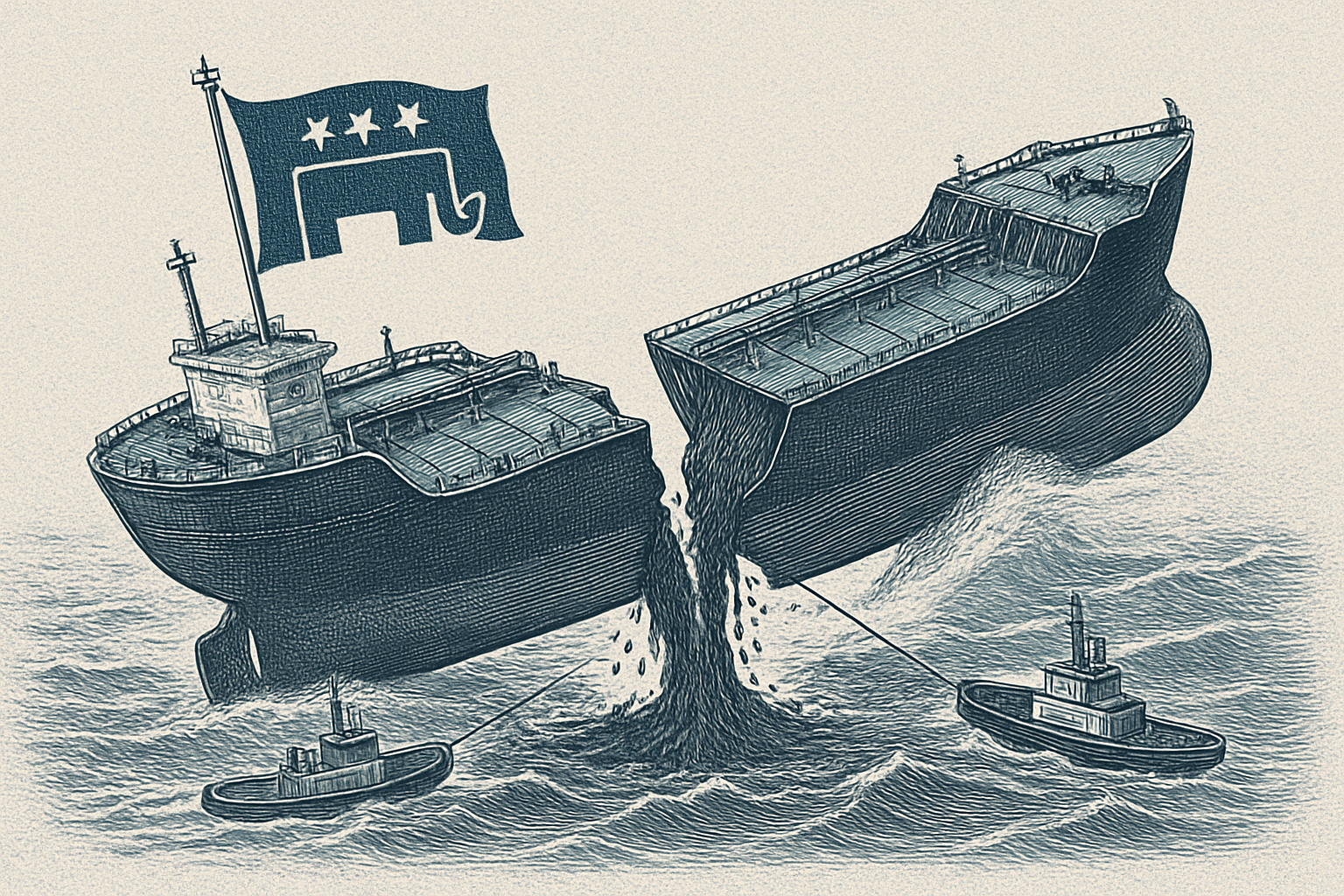
Republican unity is fracturing over President Trump's agreement to import Russian diesel into the U.S. market. Six GOP senators, including former Majority Leader Mitch McConnell, have publicly condemned the deal as a "gift to our adversary and a betrayal of our allies," according to The Hill. Iowa Senate candidate Ashley Hinson added her voice to the dissent, saying she disagreed with making any deal with an adversary, while emphasizing the need to lower gas prices through domestic production rather than Russian imports. Hinson's break is notable given that she is a Republican running in a competitive race and faces pressure to balance party loyalty with constituent concerns.
The diesel controversy is landing in the middle of an already volatile energy environment. OPEC lowered its global oil demand growth forecast for 2026 to roughly 200,000 barrels per day, citing persistent risks to shipping from Iran and its proxy groups, according to The Hill. The combination of softer demand projections and new Russian diesel entering the market could put additional downward pressure on prices — a dynamic that will be closely watched by both energy traders and the administration's political allies.
On the regulatory front, the Federal Trade Commission and a coalition of seven states asked a federal court to hold Martin Shkreli in contempt, alleging he "flagrantly and repeatedly" violated a lifetime ban from participating in the pharmaceutical industry. The filing was made in the U.S. District Court for the Southern District of New York, according to The Hill. The case is a reminder that post-judgment enforcement actions remain an active tool for regulators even years after landmark rulings — a dynamic that may resonate with importers still navigating IEEPA tariff refund compliance following the Supreme Court's February ruling in Learning Resources, Inc. v. Trump.
In Congress, Rep. Delia Ramirez (D-Ill.) introduced the Reimagining Safety Act, a sweeping proposal that would abolish Immigration and Customs Enforcement and Customs and Border Protection while replacing the Department of Homeland Security with a new "community-centered" department. The bill has no realistic path to passage in the current Congress but signals how immigration enforcement — including CBP's role in tariff collection and refund processing — remains a fault line in ongoing legislative debates.
Meanwhile, Georgia's Senate race is heating up. Sen. Jon Ossoff and Republican challenger Rep. Mike Collins clashed in a second debate Tuesday night, trading attacks on the Jeffrey Epstein files, the 2020 election, and economic policy. Ossoff, the only Senate Democrat defending a seat in a state Trump carried in 2024, sought to link Collins to the broader Trump agenda, including tariff policy, according to The Hill. The race is considered one of the most closely watched Senate contests heading into November.
What to Watch: The Russia diesel deal is likely to face Senate pushback in the coming days, with committee hearings possible if the bipartisan condemnation continues to grow. The Shkreli contempt proceedings in the Southern District of New York will be worth tracking as a bellwether for how courts handle post-ruling enforcement. And in Georgia, expect Ossoff and Collins to continue sparring over tariffs and trade as a proxy for the broader economic debate voters are weighing heading into Election Day.
— The Tariff.news desk