Tariff Refunds Flow to Retailers While Trade Wars Roil Midterm Races
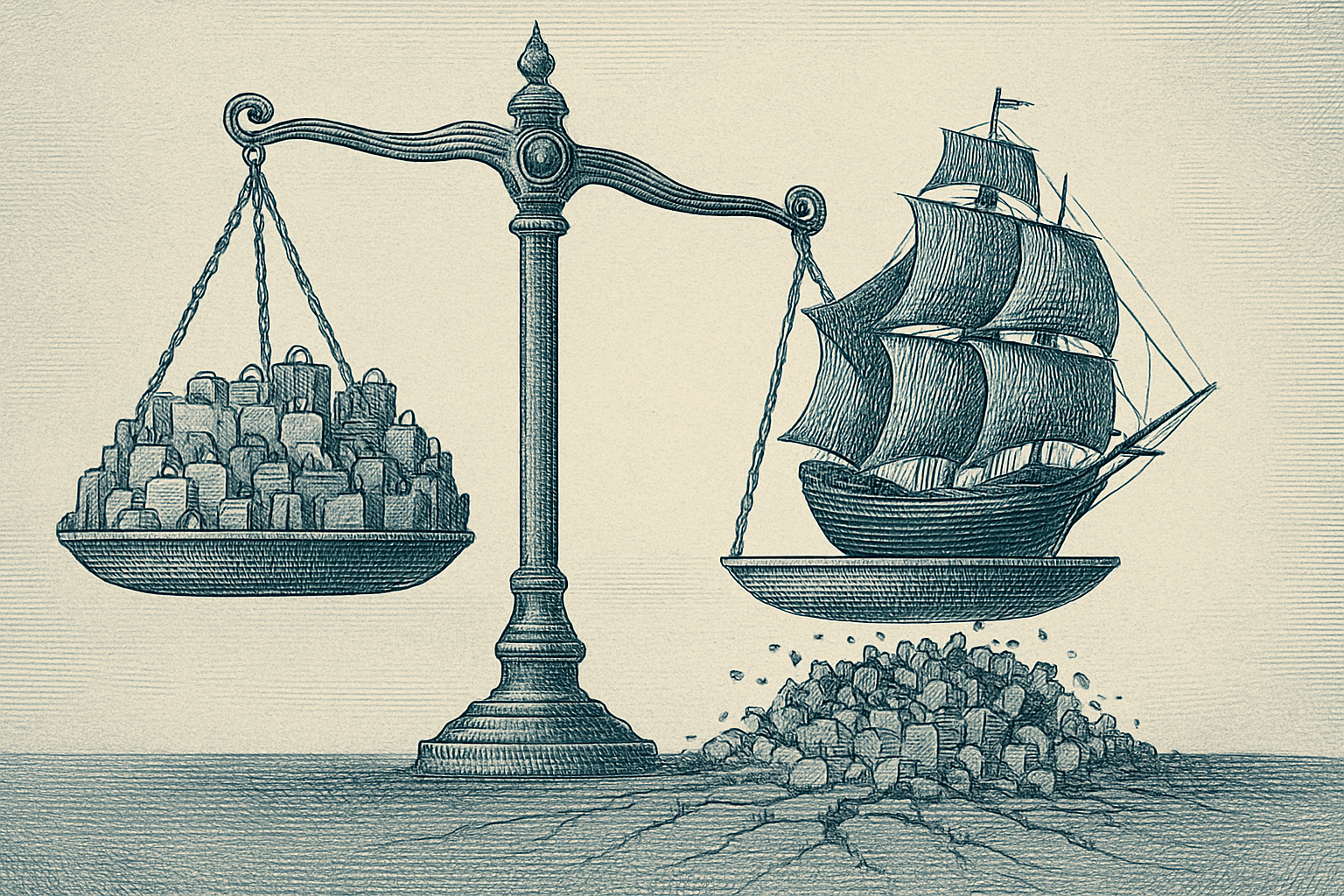
Dollar Tree pocketed nearly $400 million in tariff refunds following the Supreme Court's Learning Resources ruling, even as consumers who paid elevated prices during the tariff period saw none of that money returned to them, according to 24/7 Wall St. The disclosure is the latest example of refund windfalls accruing to large retailers rather than the shoppers who bore the burden of higher costs — a dynamic that continues to draw scrutiny as refund claims are processed.
President Trump appeared to brush aside questions about the refund payments Wednesday, dismissing an inquiry about the administration sending money to Americans before the midterms and instead touting what he called historically strong economic growth. "What we're doing is we have tremendous growth," Trump said, according to The Hill, offering no direct comment on whether consumers might share in the corporate refund windfall.
The political fallout from tariffs is cutting across party lines as the midterms approach. In Michigan, Republican Senate candidate Mike Rogers broke with the Trump administration, calling for an immediate end to the U.S.-Canada trade war, framing the conflict as harmful to a state with deep cross-border economic ties. His Democratic opponent, Abdul El-Sayed, has made the tariffs a centerpiece of his campaign, according to The Hill. In Maine, Republican incumbent Susan Collins and Democratic challenger Troy Jackson clashed during their first debate over Canadian tariffs, with Collins emphasizing her longstanding opposition to the levies on a key U.S. ally, per The Hill.
In Texas, leaked audio of Republican Senate nominee Ken Paxton showed the attorney general telling donors that economic headwinds are hurting his campaign — but he placed the blame squarely on the Iran war and high energy prices rather than tariffs. "It's not tariffs. It's the war, it's gas prices, it's diesel," Paxton said, according to The Hill. That energy cost pressure is showing up elsewhere in the supply chain: truck stops are being warned by industry groups against selling red-dyed diesel amid record-high diesel prices, with trade associations noting there is "limited upside" to the practice, The Hill reports.
On the policy front, the Tax Foundation put forward a proposal to replace the Trump tariff regime entirely with a small value-added tax, arguing the shift would raise comparable revenue with significantly fewer economic distortions. The proposal enters a debate that is intensifying as lawmakers weigh long-term alternatives to the current tariff structure ahead of potential legislative action next year.
Finally, a Nobel Prize preview from NPR notes that prediction markets are beginning to weigh in on potential economics laureates — a reminder that the academic reckoning over trade policy, supply chains, and tariff economics could soon gain one of the field's highest platforms.
What to Watch: Senate debates in Maine and Michigan are expected to intensify through October, with Canada tariffs likely to remain a flashpoint. The pace of corporate tariff refund disclosures in quarterly earnings reports will be closely tracked as more large retailers report results in coming weeks. Any White House statement on whether consumers will receive direct refund relief — a question Trump sidestepped Wednesday — could reshape the political and legal landscape before Election Day.
— The Tariff.news desk