Tariff Refunds Favor Big Business While Trade Tensions Reshape Daily Life
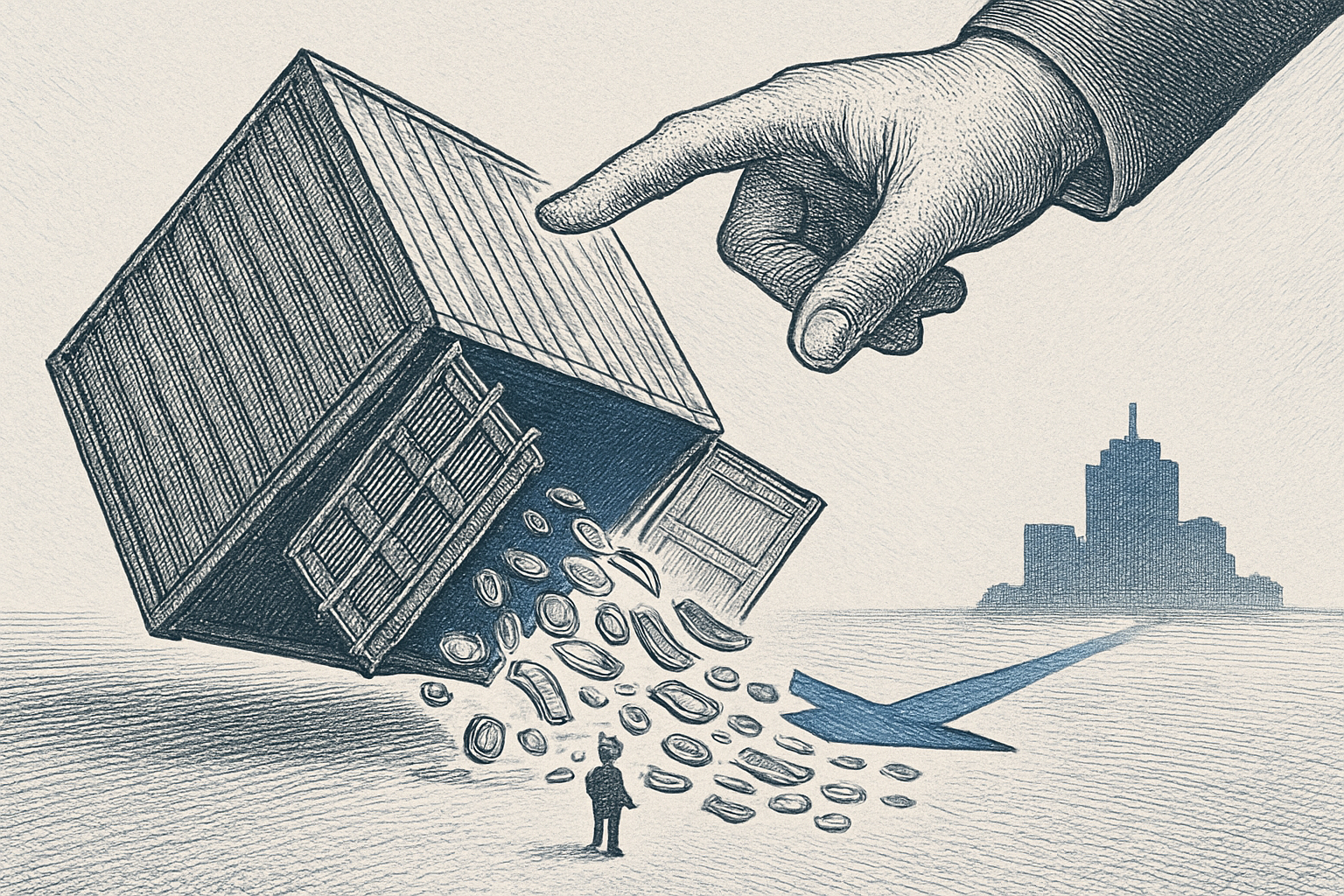
The most significant development in the IEEPA refund landscape is a sharp warning from the Center for American Progress: the refunds flowing from the Supreme Court's Learning Resources ruling are disproportionately benefiting large corporations rather than the small businesses and consumers who bore the brunt of elevated prices. While the ruling opened the door to refunds on unlawfully imposed tariffs, the practical mechanics of the claims process appear to be tilting the windfall toward well-resourced companies with legal teams and compliance infrastructure to navigate the system.
Adding nuance to the refund picture, a JDSupra analysis reminds importers that not all tariffs are created equal. The Learning Resources decision clarifies that IEEPA refund eligibility turns on the specific type of tariff and the circumstances under which it was imposed. Businesses assuming blanket eligibility could be in for a rude surprise, and the piece urges importers to conduct a careful tariff-by-tariff review before filing claims.
On the broader trade front, President Trump is kicking off a red-state campaign swing with a visit to a manufacturing plant in Denton, Texas, according to The Hill. The stop is expected to serve as a showcase for the administration's tariff and domestic production agenda — a sign that despite the court setback, Trump is leaning into his trade posture as a political asset heading into the campaign season.
The human costs of prolonged trade tensions are showing up in unexpected places. Fewer Canadian snowbirds are making their seasonal trip to South Florida this year, according to NPR, as friction between the U.S. and Canada dampens cross-border travel and spending. The trend is hitting local businesses that depend on the annual influx of Canadian visitors.
On egg prices, NPR reports that agriculture experts attribute the recent tumble primarily to easing avian flu outbreaks, though the story notes that tariffs and the ongoing conflict with Iran have added pressure on farmers. The takeaway is that even where tariff effects are secondary, they are compounding other supply-side stresses on American households.
Separately, The Hill reports that the family and partner of Renee Good — the 37-year-old Minneapolis mother fatally shot by an ICE officer in January — have filed federal lawsuits against the government and President Trump seeking damages. While not directly tied to trade policy, the case adds to a growing body of litigation testing the boundaries of executive authority during the current administration.
Finally, the Federal Trade Commission has opened an investigation into OpenAI and Anthropic over potential consumer risks posed by their AI models, according to The Hill. The probe follows months of escalating warnings about cybersecurity and safety concerns tied to large language models. Though separate from the tariff story, it signals that regulatory scrutiny of powerful private actors — whether in trade or technology — remains a defining feature of the current policy environment.
What to Watch: Trump's Texas plant visit Thursday could produce new statements on tariff strategy worth monitoring for signals about whether the administration plans to contest refund claims or adjust its trade posture. Meanwhile, small business advocates are expected to push for procedural reforms to the IEEPA refund process in the coming weeks, responding directly to the Center for American Progress findings. Importers should also keep an eye on emerging case law as courts begin working through the eligibility questions the JDSupra analysis flags.
— The Tariff.news desk