$122 Billion in IEEPA Refunds Flow Out — But Not to Consumers
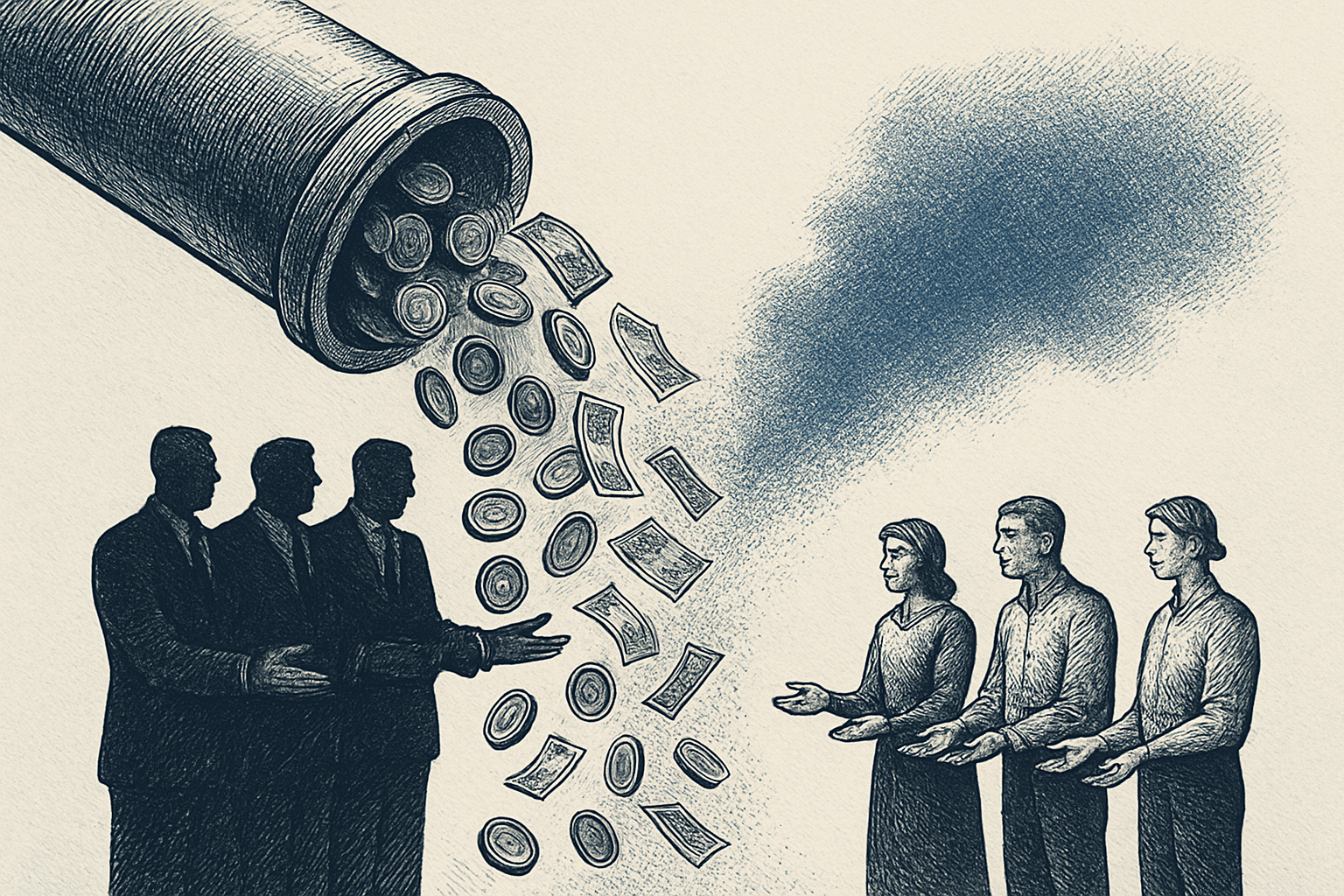
The U.S. government is distributing roughly $122 billion in refunds stemming from the Supreme Court's February ruling striking down IEEPA tariffs, according to 24/7 Wall St., but new analysis suggests those funds are largely staying within corporate balance sheets rather than reaching everyday shoppers. The Atlanta Federal Reserve surveyed companies receiving refunds and found that most are channeling the money back into operations or internal reserves, not passing savings along to consumers, according to reporting by both Supply Chain Dive and IndexBox. The findings raise questions about whether the refund windfall will produce the broader economic relief that some had anticipated.
Among the corporate beneficiaries, Costco reported that a one-time IEEPA tariff refund helped lift its fourth-quarter profit, according to TradingView — a concrete example of how significantly individual companies can benefit from the recovery process. On the consulting side, Peacock Tariff Consulting announced the launch of its CAPE Phase 3 recovery services, specifically designed to help importers navigate the refund claim process for duties paid under IEEPA, according to Morningstar. The rollout signals that demand for specialized refund assistance remains strong as the claims window progresses.
On the trade diplomacy front, Treasury Secretary Scott Bessent confirmed Wednesday that the United States and China have agreed to extend their economic truce by two months, according to The Hill. The announcement came as Chinese President Xi Jinping arrived in the U.S. for a summit with President Trump. The extension keeps a fragile détente in place while both sides continue broader negotiations, though the underlying tariff and trade disputes remain unresolved.
Separately, U.S. and Mexican trade officials are preparing to meet in Washington to address Mexico's alleged violations of USMCA commitments related to discriminatory energy policies, according to The Hill. The dispute has drawn attention from American energy producers who say Mexico's actions undermine the terms of the trade agreement. Canadian Prime Minister Mark Carney also made headlines, telling the New York Times that he had prepared for what he called an "extreme tail risk" of a U.S. incursion into Canada — remarks reflecting the broader strain in North American relations amid ongoing trade friction, according to The Hill.
On the immigration enforcement front, Michigan Governor Gretchen Whitmer directed state police to investigate a vehicle pursuit involving ICE agents in Grand Rapids that ended in a fatal crash, according to The Hill. In a separate and legally significant incident, a federal appeals court had to issue a clarifying order after the Trump administration moved to deport a Peruvian man to the Central African Republic in apparent defiance of a ruling that blocked third-country removals, according to The Hill. White House border czar Tom Homan pushed back against mounting scrutiny of ICE, saying the agency is "not going anywhere."
What to Watch: The two-month extension of the U.S.-China trade truce sets a new deadline likely falling in late November — markets and importers will be watching whether negotiations advance enough to avoid another standoff. The U.S.-Mexico USMCA energy talks in Washington this month could produce either a resolution or an escalation that affects cross-border trade flows. On the refund front, the Atlanta Fed's findings may draw congressional attention to whether companies should face any obligation to pass savings on to consumers.
— The Tariff.news desk