Tariff Refunds Stall as US and China Eye Deal to Cut Duties
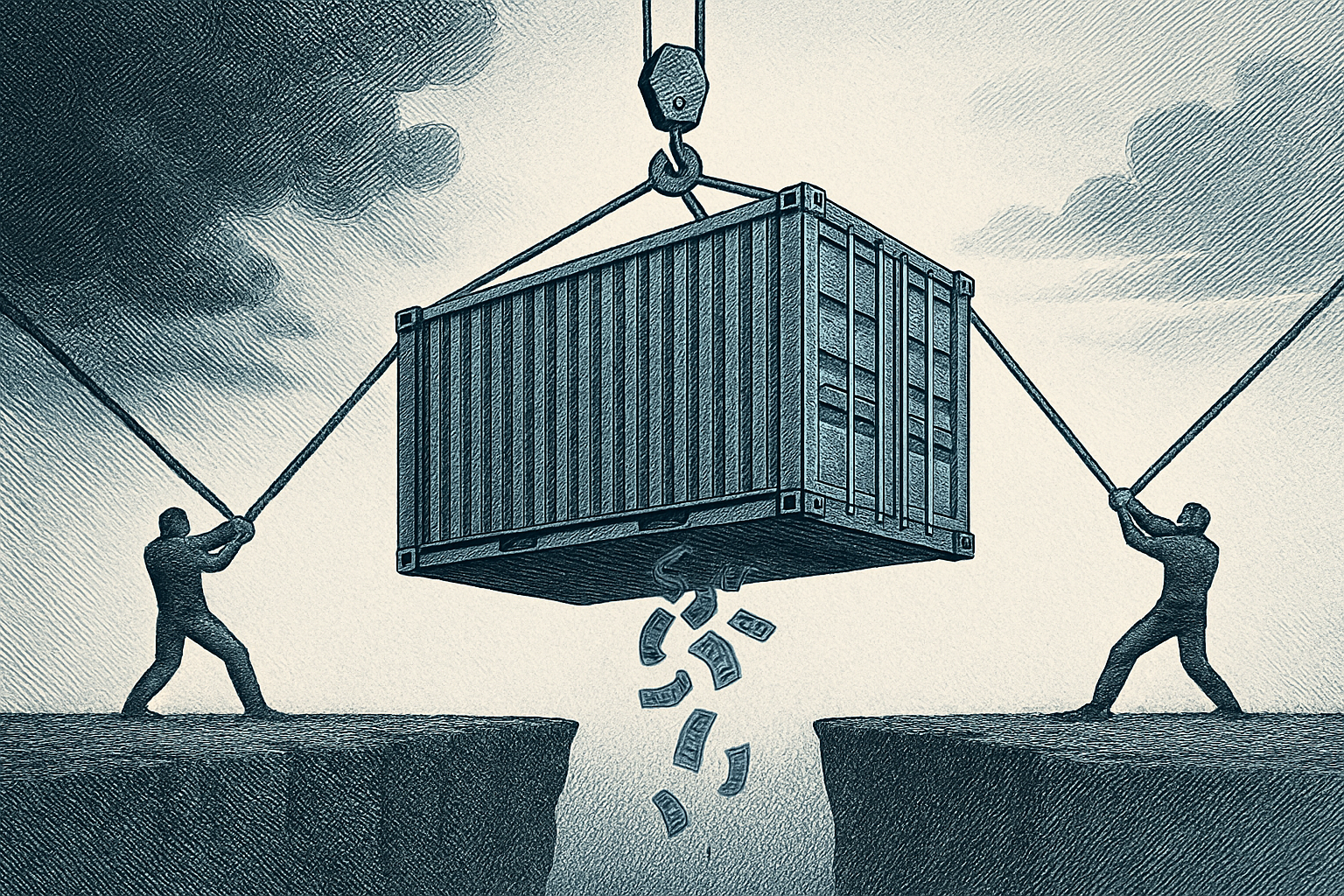
Months after the Supreme Court's Learning Resources ruling struck down IEEPA tariffs, a significant number of refund cases remain unresolved, caught in a procedural limbo between U.S. Customs and Border Protection and the courts, according to reporting from KNSI Radio. The backlog underscores the administrative complexity of unwinding a tariff regime that touched billions of dollars in imported goods. Separately, CBP has issued new guidance on Phase 3 duty refunds under the Continued Dumping and Injury Remedy Act program, according to Buchanan Ingersoll and Rooney, signaling that the agency is working through its obligations on multiple fronts — though the pace remains a concern for businesses waiting on relief.
On the diplomatic front, the most significant near-term development for tariff policy may come later this week when President Trump hosts Chinese President Xi Jinping in Washington. Treasury Secretary Scott Bessent told CNBC's Squawk Box on Monday that U.S. and Chinese officials are actively considering lowering tariffs on what he described as "noncritical" products, according to The Hill. Bessent struck an optimistic tone, saying talks over the weekend represented a "very successful engagement" covering both trade and artificial intelligence. The meeting could produce real movement on duties that, even after the IEEPA ruling, remain in place through other legal authorities.
In domestic politics, the tariff fallout is making itself felt on the campaign trail. A Democratic challenger is now running neck-and-neck with Republican incumbent Senator Roger Marshall in Kansas, a traditionally safe Republican state, according to The Hill. Voter discontent over inflation and the broader economic effects of the trade war appears to be a contributing factor, alongside local controversy over Marshall's record on medical debt. The Kansas race is emerging as an unexpected bellwether for how tariff-related economic pain could reshape the 2026 midterm landscape.
On a stranger note in the trade saga, President Trump announced he was working on a deal to purchase potash fertilizer from Belarus at a steep discount — framing it as leverage in the trade dispute with Canada, which is a major potash supplier. Belarusian President Alexander Lukashenko promptly contradicted the claim, saying there are no available export volumes to send to the United States, according to The Hill. The episode highlights the gap between the administration's deal-making announcements and the logistical realities of redirecting global commodity flows.
Two items in today's feed were miscategorized in the source data and are noted here for completeness: a report on DHS taking over the investigation into a shooting involving an ICE officer in Austin, Texas, has no bearing on tariff or refund matters.
What to Watch: The Trump-Xi summit later this week is the key event for tariff watchers — any announcement on reduced duties for noncritical goods could affect the scope of ongoing refund calculations and future import costs. Businesses and attorneys tracking IEEPA refund claims should also monitor whether CBP issues further procedural guidance following the Phase 3 CDSOA update, as the agency's bandwidth and processing timelines remain under pressure.
— The Tariff.news desk