Tariff Refunds Flow to Workers While Foreign Firms Draw Scrutiny
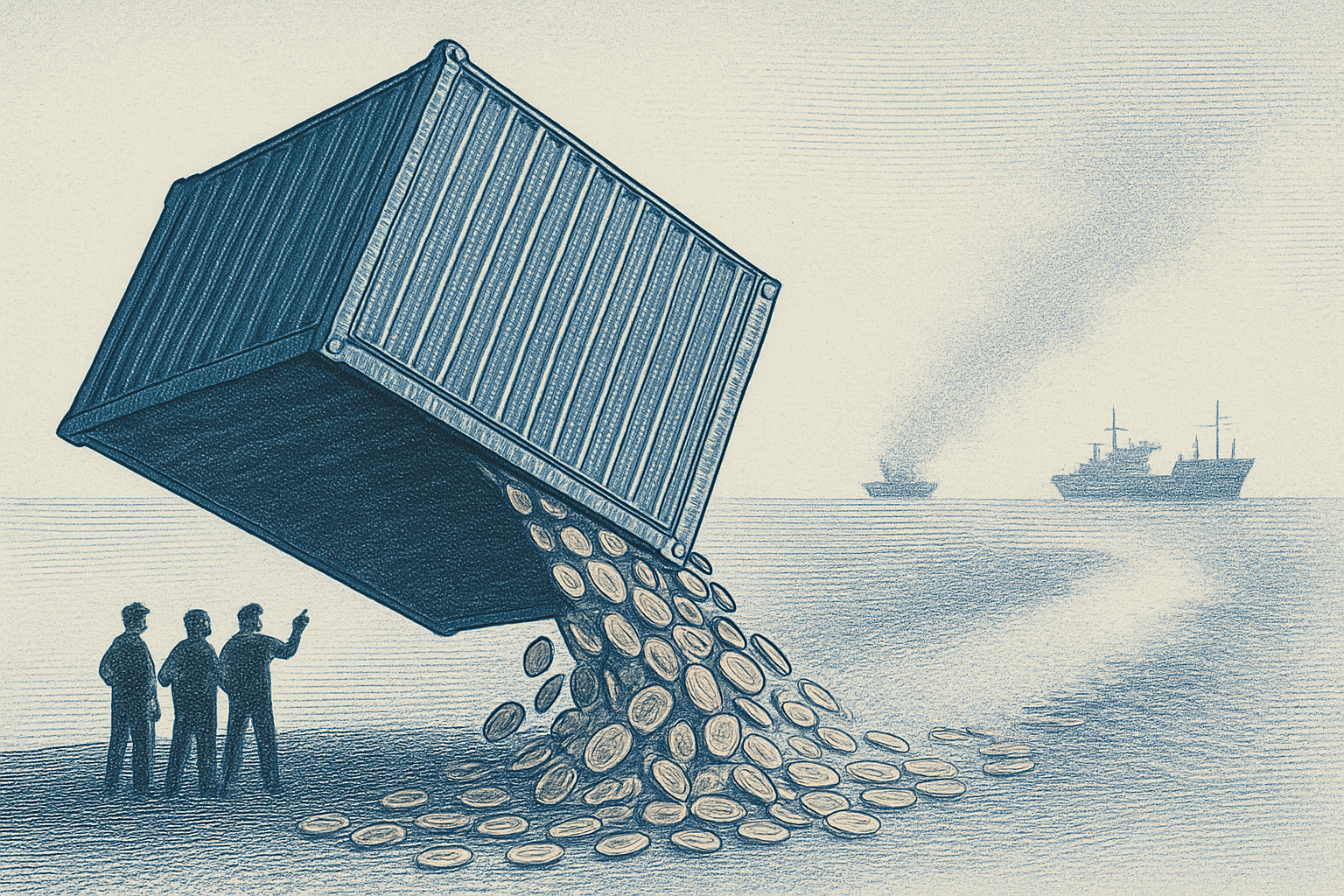
Foreign companies have collected millions of dollars in IEEPA tariff refunds since the Supreme Court's ruling in Learning Resources, Inc. v. Trump, with American taxpayers shouldering part of the cost, according to a report cited in Google News via Talking Points Memo. The development has drawn fresh attention to who, exactly, is benefiting from the refund pipeline — and at whose expense.
On a more encouraging note, some domestic companies are channeling portions of their refunds directly to employees, using the money to boost wages and beef up 401(k) contributions, according to Fortune. The trend suggests that for a subset of American workers, the court's ruling is translating into tangible financial gains.
On Capitol Hill, Treasury Secretary Scott Bessent faced pointed questions Tuesday before the House Financial Services Committee on the state of the economy, tariff policy, and a proposed $5,000 dividend for Americans. Bessent was pressed on the administration's trade stance as the Iran conflict and ongoing tariff disputes continue to weigh on markets, including the 10-year Treasury bond, according to The Hill. FBI Director Kash Patel was simultaneously fielding questions before the Senate Judiciary Committee in a separate oversight hearing, where scrutiny of his office's expenditures dominated early exchanges.
The political costs of the trade war are coming into sharper focus. Trump's tariffs on Canadian imports — and Canada's retaliatory measures — are beginning to bite in several Republican-leaning states, according to The Hill. Key economic sectors in those states are feeling the pressure, raising questions about the administration's political calculus ahead of the midterms. Separately, the House advanced the Russia Sanctions Act, legislation that would grant the president new tariff authorities targeting countries that purchase Russian energy and extend existing Iran sanctions. Two Democrats crossed the aisle to help clear a key procedural hurdle, setting up a final vote.
Away from tariff news, Abbott Laboratories agreed to pay $385 million to settle a Department of Justice lawsuit stemming from contamination at a baby formula plant, according to The Hill. The facility's 2022 closure triggered a nationwide formula shortage, and the settlement marks a significant legal resolution to that crisis.
On the tax policy front, the Tax Foundation published two pieces worth noting. One examined whether tax policy itself could be wielded as a coercive geoeconomic tool alongside sanctions and tariffs — a question gaining relevance as the administration deploys an increasingly broad range of economic levers. The other looked at the growing oral nicotine pouch market and the difficult trade-off states face between capturing tax revenue from these products and encouraging smokers to shift away from combustible cigarettes.
What to Watch: The House vote on the Russia Sanctions Act is the immediate legislative item to track, as it would hand the White House significant new tariff authority. Bessent's testimony may also yield follow-up reporting on the administration's position toward Canada tariffs and any movement on the proposed $5,000 dividend. Expect continued scrutiny of the foreign-company refund issue as lawmakers and advocacy groups push for greater transparency in how IEEPA refunds are being distributed.
— The Tariff.news desk