U.S.-Canada Trade War Deepens as Bans and Retaliatory Tariffs Escalate
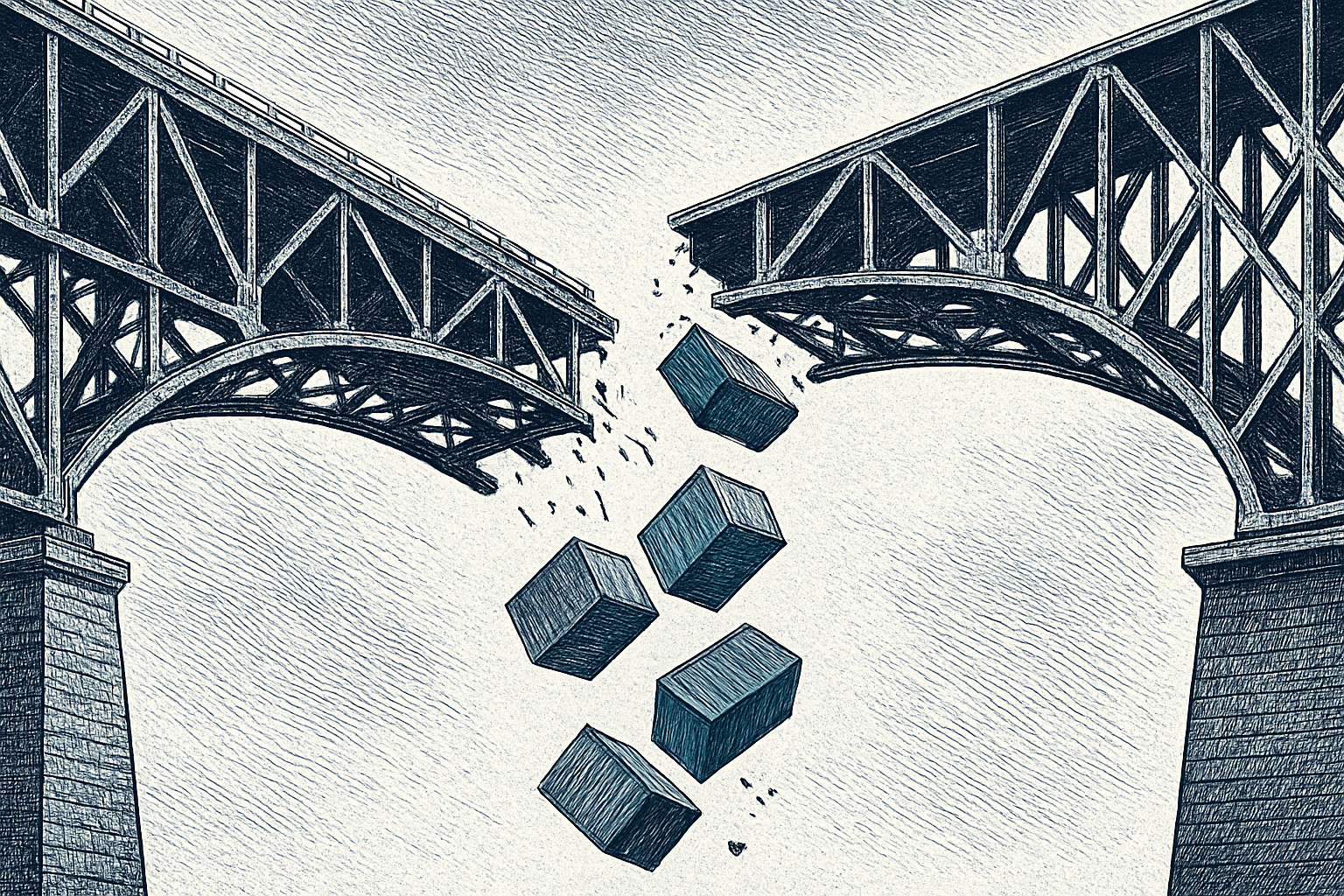
Canada's retaliatory tariffs on roughly $27.6 billion in American goods took effect Tuesday, imposing levies of 15, 25, and 50 percent on a wide range of products including steel, aluminum, appliances, electronics, and wood and paper products, according to The Hill. There are no reports of active negotiations between the two countries, and the standoff shows no signs of easing.
President Trump signed executive orders Tuesday banning the sale of Canadian dairy products, motor vehicles, and many alcoholic beverages in the U.S., with those bans set to take effect September 29, according to The Hill. Trump had already imposed 50 percent tariffs on Canadian beer and wine last month, a move that prompted Japanese brewing company Sapporo to announce it will shift some production from Canada to the United States, per The Hill.
The economic and political fallout is spreading. Canadian Prime Minister Mark Carney acknowledged Tuesday that his country had relied "too much" on what he called "easy" economic ties with the United States over the past 40 years, signaling a broader strategic rethinking of Canada's trade posture, according to The Hill. Canada's trade fight is also landing in unexpected corners of the American economy — The Hill reports the dispute is now hitting Kansas, illustrating how the conflict is rippling through U.S. states dependent on cross-border commerce.
Former Canadian Deputy Prime Minister Chrystia Freeland, who helped negotiate prior trade agreements with the U.S., offered her perspective on the unfolding dispute in an interview with NPR, describing the stakes as extending well beyond bilateral commerce. The tension has also spilled into the cultural realm, with a viral AI-generated video depicting Trump beating Carney with a hockey stick drawing anger from Canadians while accumulating significant views on social media, per The Hill.
In a separate international trade development, Canada joined France and the United Kingdom in announcing a joint ban on imported goods from Israeli settlements, calling it a "turning point" in efforts toward a two-state solution in the region, according to The Hill.
On the courts front, a federal appeals court upheld a lower court ruling blocking data sharing between the IRS and Immigration and Customs Enforcement, according to The Hill. A three-judge panel for the U.S. Court of Appeals affirmed the injunction after ICE had sought the last known addresses of millions of individuals — a ruling with implications for ongoing debates over executive agency authority, a topic of close interest to those tracking post-Learning Resources enforcement boundaries.
Trump also marked the approaching 25th anniversary of the September 11 attacks on Tuesday, delivering remarks at a Steel Across America event at the White House and posthumously awarding the Presidential Medal of Freedom to Welles Crowther, an equities trader and volunteer firefighter who died saving lives on 9/11, according to The Hill. Attorney General Todd Blanche also held a memorial ceremony at DOJ headquarters.
What to Watch: The September 29 effective date for Trump's new bans on Canadian dairy, motor vehicles, and alcoholic beverages is the next major flashpoint in the trade war — businesses and importers in those sectors have three weeks to adjust. Watch for any signs of negotiation between Ottawa and Washington, which have yet to open formal talks. The broader economic impact on U.S. states reliant on Canadian trade, including agricultural states like Kansas, will also come into sharper focus in the days ahead.
— The Tariff.news desk