New Zealand Eyes Billions in Refunds as Beef Tariff Fights Dominate Washington
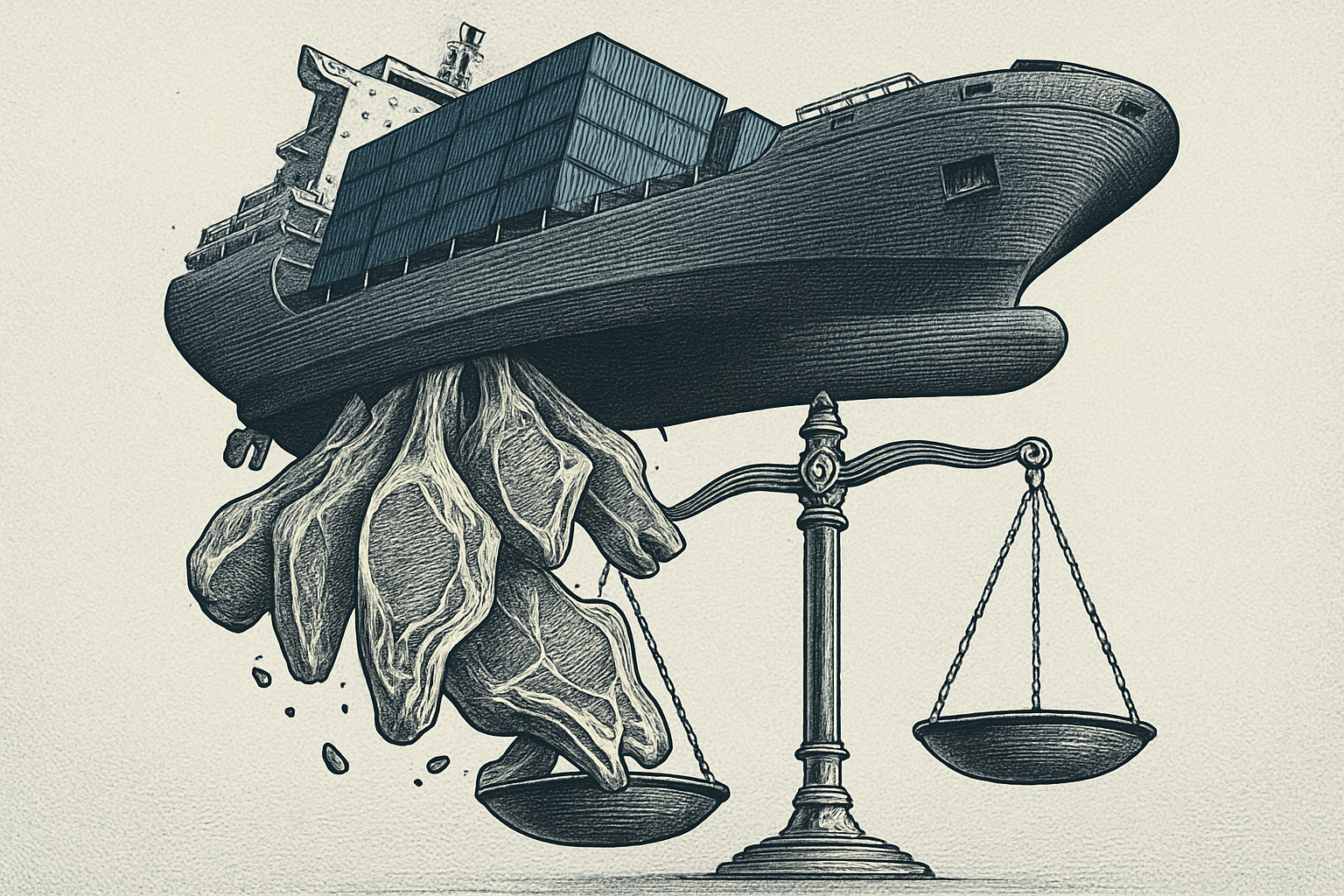
New Zealand exporters could receive up to NZ$1 billion in U.S. tariff refunds following the Supreme Court's Learning Resources ruling, according to a report from en.edairynews.com. The figure is one of the first concrete estimates of what foreign exporters stand to reclaim under the February 2026 decision, and it signals that the refund process is beginning to take on real fiscal scale beyond American importers.
On the domestic front, the Trump administration's decision to temporarily lower tariffs on beef imports is generating significant Republican pushback. Representative Troy Downing (R-Mont.) told NewsNation that "the damage is done," suggesting the tariff pause came too late to help ranchers who have already absorbed market disruptions. The Hill reports that House Republicans pressed U.S. Trade Representative Jamieson Greer behind closed doors this week, raising concerns about both the beef import policy and the ongoing trade stalemate with Canada. Greer attended the regular weekly Republican lunch meeting but left without resolving the tensions.
The White House, meanwhile, is on defense. Officials pushed back against a report that a Brazilian billionaire had influenced the decision to suspend higher ground beef tariffs, telling NewsNation that the action was intended to address a "short-term supply crunch." The controversy has sharpened questions about who benefits from tariff relief decisions and how those decisions are made — a question that now carries added weight given the legal scrutiny tariffs face post-Learning Resources.
Separately, confusion over beef labeling is adding a consumer dimension to the story. The Hill examines whether shoppers can reliably tell if beef is a product of America, noting that increasing import allowances complicates country-of-origin identification. The issue could intensify pressure on Congress to strengthen labeling rules.
On the broader trade and economic front, Treasury Secretary Scott Bessent used the close of the G20 summit in Asheville, N.C., to single out China, saying Beijing declined to acknowledge that cheap exports are "unsustainable," according to The Hill. The statement suggests the administration sees little near-term progress on rebalancing trade with China, even as it navigates refund obligations from the Supreme Court ruling. Bessent also appeared on Fox News to partly attribute recent price pressures to an "energy shock," placing some blame on Ukraine alongside the ongoing Iran conflict and Russia's war — a framing that drew immediate attention given its political sensitivity.
What to Watch: Congressional scrutiny of the beef import decision is likely to intensify, with House Republicans signaling they want more answers from USTR Greer. Any formal legislative response — including possible country-of-origin labeling bills — could move quickly given election-year sensitivities around food prices. On the tariff refund front, the New Zealand estimate is an early benchmark; similar figures from other major export nations, including those in the EU and Southeast Asia, are expected to emerge in the coming weeks as customs attorneys and trade groups finish their calculations. Treasury's posture toward China at the G20 also bears watching — Bessent's public call-out could presage a new round of tariff actions or negotiations that would intersect directly with pending refund claims.
— The Tariff.news desk