Trade War Escalates as Tariff Refund Questions Reach Boardrooms Nationwide
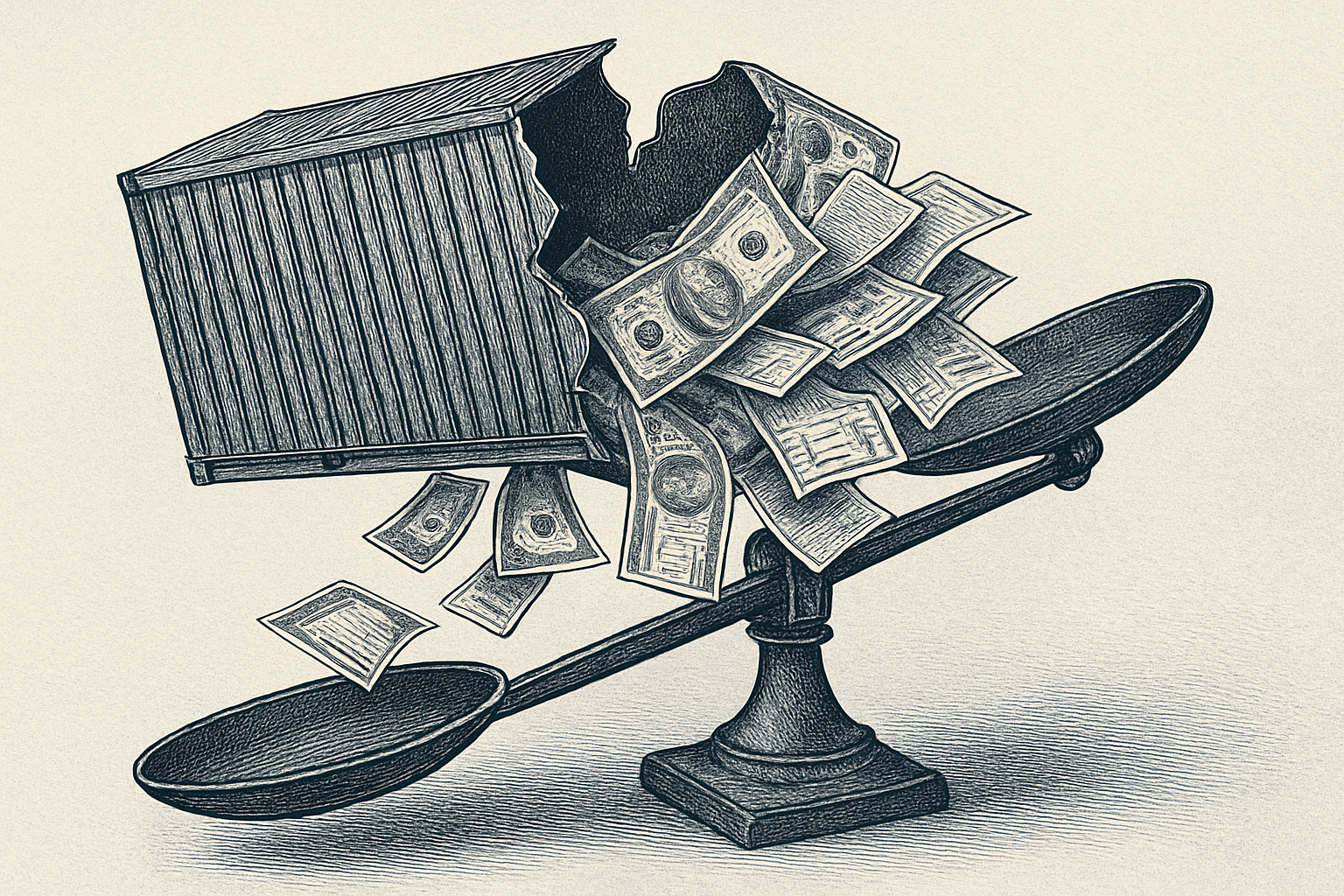
The U.S.-Canada trade war intensified Thursday, with U.S. Trade Representative Jamieson Greer warning that Washington will not "just sit down and take" further retaliation from Ottawa after Canada introduced dollar-for-dollar matching tariffs on American goods, according to The Hill. Senator Susan Collins (R-Maine) broke with the administration, urging a return to negotiations, while Rep. Jared Golden (D-Maine), a rare Democratic voice backing the tariffs, said Canadian retaliation "won't go well" for the neighboring country.
Canada made one notable concession, exempting seafood and fish products from its retaliatory measures following industry feedback, according to The Hill. The carve-out offers some relief to coastal communities on both sides of the border that depend heavily on seafood trade.
On the tariff relief front, President Trump announced a 90-day pause allowing up to 300,000 metric tons of ground beef imports at prices he claims are 25 percent below current market rates, though he has not disclosed which countries are participating or how the plan will be implemented, according to The Hill. Economic analysts have questioned whether the claimed price reduction is realistic, and domestic producers have raised concerns about the impact on American ranchers.
For companies navigating the post-Learning Resources landscape, two developments are worth noting. SW Sustainability Solutions announced a customer refund initiative covering applicable IEEPA tariff charges, according to EIN Presswire via Google News. Separately, a Law.com analysis raised a question gaining traction in corporate legal departments: whether companies may be entitled to recover tariff refunds that their importers have already collected. The piece signals that downstream allocation disputes are emerging as a distinct legal front in the broader refund wave.
In a move widely seen as a rhetorical escalation in the Canada dispute, Trump signed an executive order formally renaming Lake Ontario as "Lake America," according to The Hill. The decision drew immediate pushback. New York Governor Kathy Hochul said the state would not adopt the new name. Vermont Governor Phil Scott, a Republican, called the order "petty and disappointing" and said leaders should be at the negotiating table instead. Wisconsin politicians responded with jokes about renaming Lake Michigan, underscoring how the symbolic gesture landed outside the White House.
On the courts beat, a federal judge in California ruled that the Pentagon's decision to blacklist AI firm Anthropic was illegal, finding it violated the First Amendment, according to The Hill. The ruling is a reminder that executive-branch use of national-security and supply-chain designations continues to face judicial scrutiny — the same category of authority undergirding IEEPA tariff actions.
What to Watch: The ground beef tariff relief plan needs implementation details — watch for a federal register notice or executive order specifying participating countries and customs procedures, which will determine whether importers can actually move product within the 90-day window. On the Canada front, any further retaliatory measures from Ottawa would trigger the Trump administration's promised response, and Collins's push for renewed talks could gain Senate momentum if border-state Republican pressure builds. The Law.com analysis on importer-versus-buyer refund allocation is likely to prompt legal filings; watch for the first court cases testing who holds the right to IEEPA refunds when duties were passed through the supply chain.
— The Tariff.news desk