U.S. and Canada Plunge into Full-Scale Tariff War with No End in Sight
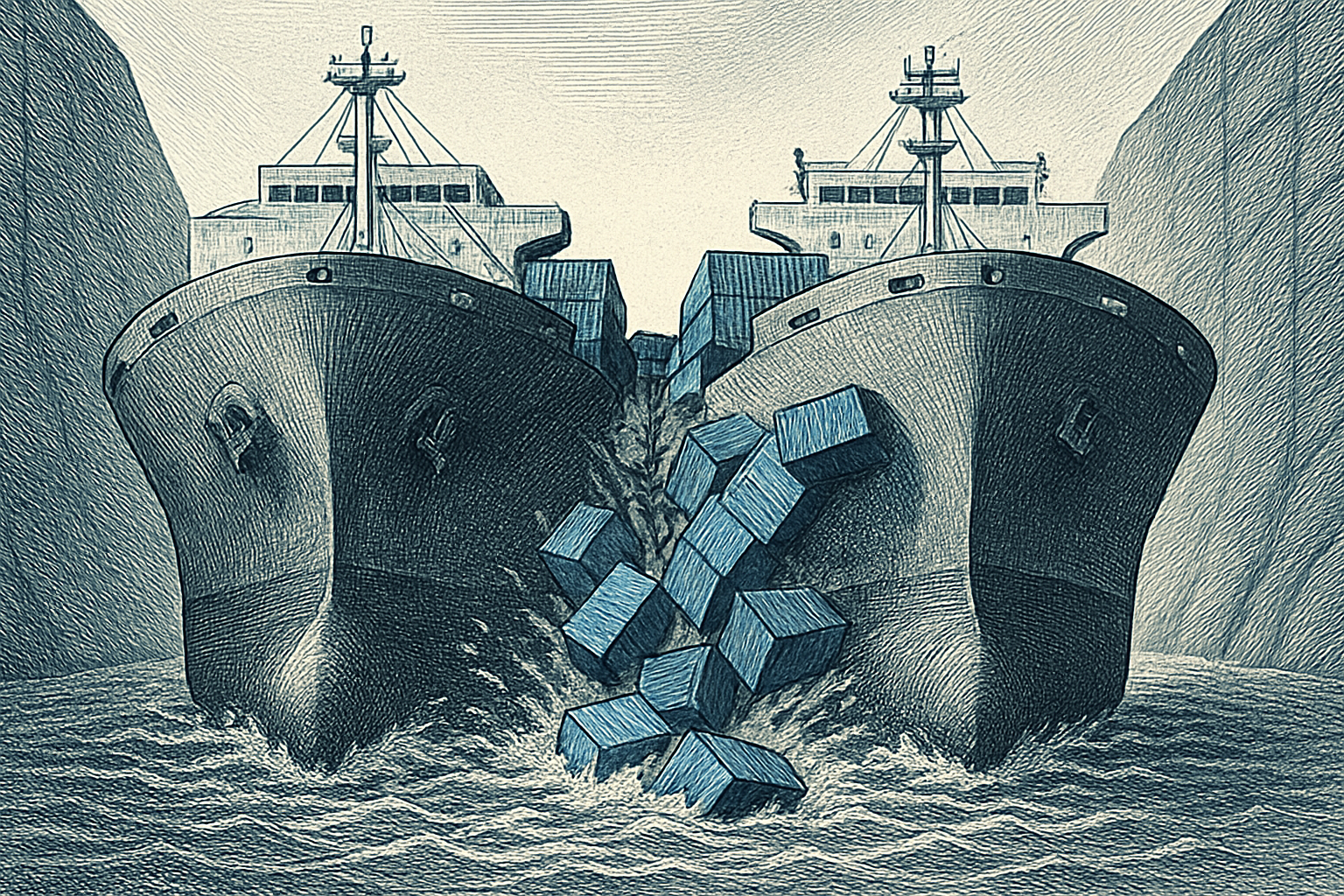
The United States moved forward with sweeping 50% tariffs on tens of billions of dollars in Canadian goods early Saturday after last-ditch negotiations collapsed, marking a sharp escalation in trade tensions between the two neighbors. Canadian Prime Minister Mark Carney announced he was pulling his country's negotiators from talks Friday evening, just hours before the tariffs took effect, according to NPR and The Hill.
The scope of the dispute remains somewhat in flux. The Trump administration's action targets roughly $20 billion in Canadian products, according to NPR, while Carney cited a figure of $28 billion in his social media announcement suspending talks. Canada wasted no time in responding — Carney confirmed Saturday morning that retaliatory tariffs matching Washington's measures would take effect on September 8, according to The Hill.
On the domestic political front, the trade war is generating friction within the Republican Party. President Trump lashed out Friday at Rep. Marjorie Taylor Greene and Rep. Thomas Massie following a meeting between the two lawmakers and conservative podcaster Tucker Carlson, according to The Hill. The tension centers on the administration's separate decision to lift certain tariffs on imported ground beef, which has drawn criticism from some conservatives. The episode underscores the political tightrope the administration is walking as it pursues an aggressive trade posture on multiple fronts simultaneously.
Not all Republicans are falling in line on Canada either. Sen. Susan Collins of Maine broke with several of her GOP colleagues Saturday, urging the White House to weigh the "negative impact" a prolonged tariff war with Canada could have on American workers and consumers, according to The Hill. Republican lawmakers were described as split over the standoff, with some defending the administration's position and others voicing concern about economic fallout in border states and communities with deep trade ties to Canada.
For American small businesses, the consequences are already being felt. NPR spoke with Mike Roach and Kim Osgood, owners of Paloma Clothing in Portland, Oregon, who described the mounting uncertainty created by the U.S.-Canada tariff dispute. Their experience reflects broader anxieties among importers and retailers navigating an increasingly volatile trade environment — one that tariff refund proceedings stemming from the Supreme Court's Learning Resources ruling have done little to stabilize.
What to Watch: The most immediate deadline is September 8, when Canada's retaliatory tariffs are set to kick in. Whether either side moves to resume negotiations before then will be the central question of the coming week. Watch for statements from the White House on whether the administration sees the Canadian response as an opening for renewed talks or a reason to escalate further. Congressional voices, particularly from senators representing border states, may grow louder as the September 8 date approaches and constituents press for answers.
— The Tariff.news desk